

The Ceremony
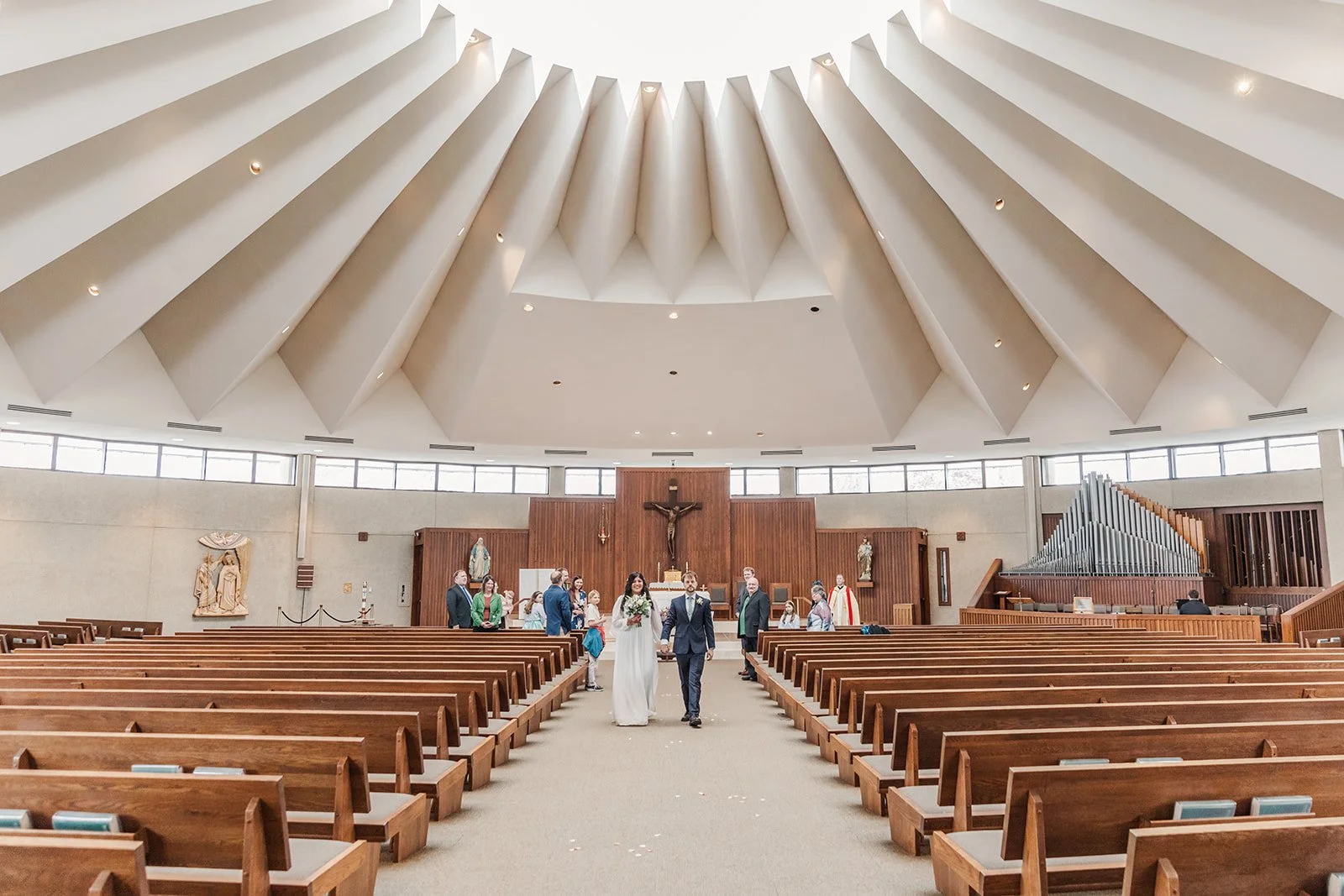
Here it is! The moment everyone has been waiting for! The music is playing and the guests have been seated. Ushers make their way to the back of the church and the coordinator is lining up the bridesmaids while giving the musicians a 5-minute warning. The bride is about to walk down the aisle to the love of her life… and if she’s like most girls, she’s dreamed about this moment for a long time! Vows will be shared and promises will be made… this is what it’s all about!
In a world full of wedding blogs, Pinterest and bridal magazines, it’s easy to be overwhelmed and consumed by the “prettiness” of the event. While details do matter and planning is necessary, it’s important to never lose sight of the real purpose of this amazing day!
Lighting
Ceremony lighting is really important. If you get married outdoors at 12 pm, the lighting will be extremely harsh. Not only will there be harsh lines of light on your faces, you will also be squinting.
I suggest planning an outdoor ceremony 2–3 hours before sunset if you are having a first look. If you are not interested in sharing a first look, then I would suggest having your ceremony 3–4 hours before sunset to ensure that you will have plenty of time for all of your portraits afterwards. The lower the sun, the more romantic the lighting.
If you are having an indoor ceremony, it is always best to have even lighting at the altar. If there are two spotlights on the bride and groom, I will not be able to expose the rest of the bridal party. It is better to have soft, even light across the whole altar.
Order of Service
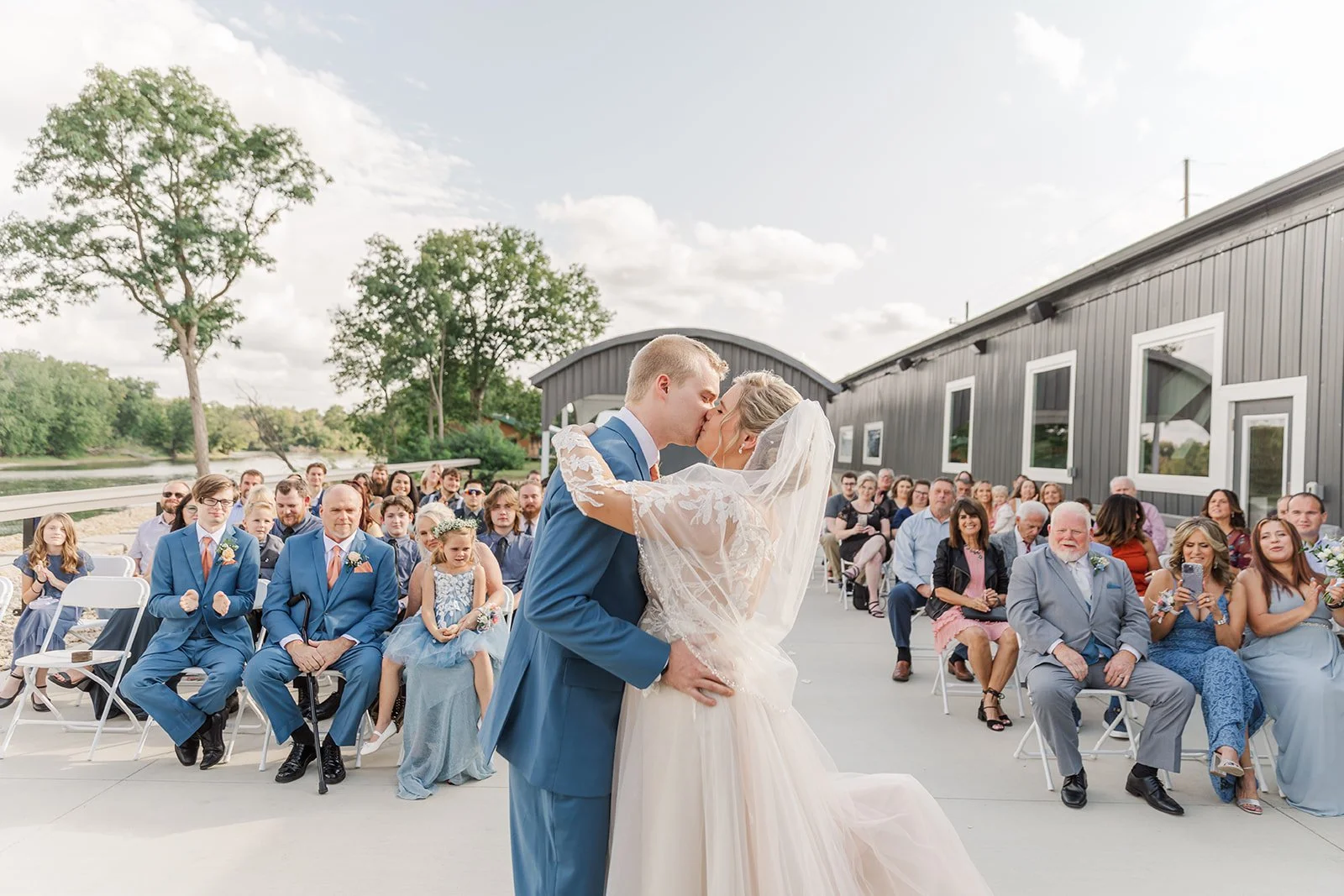
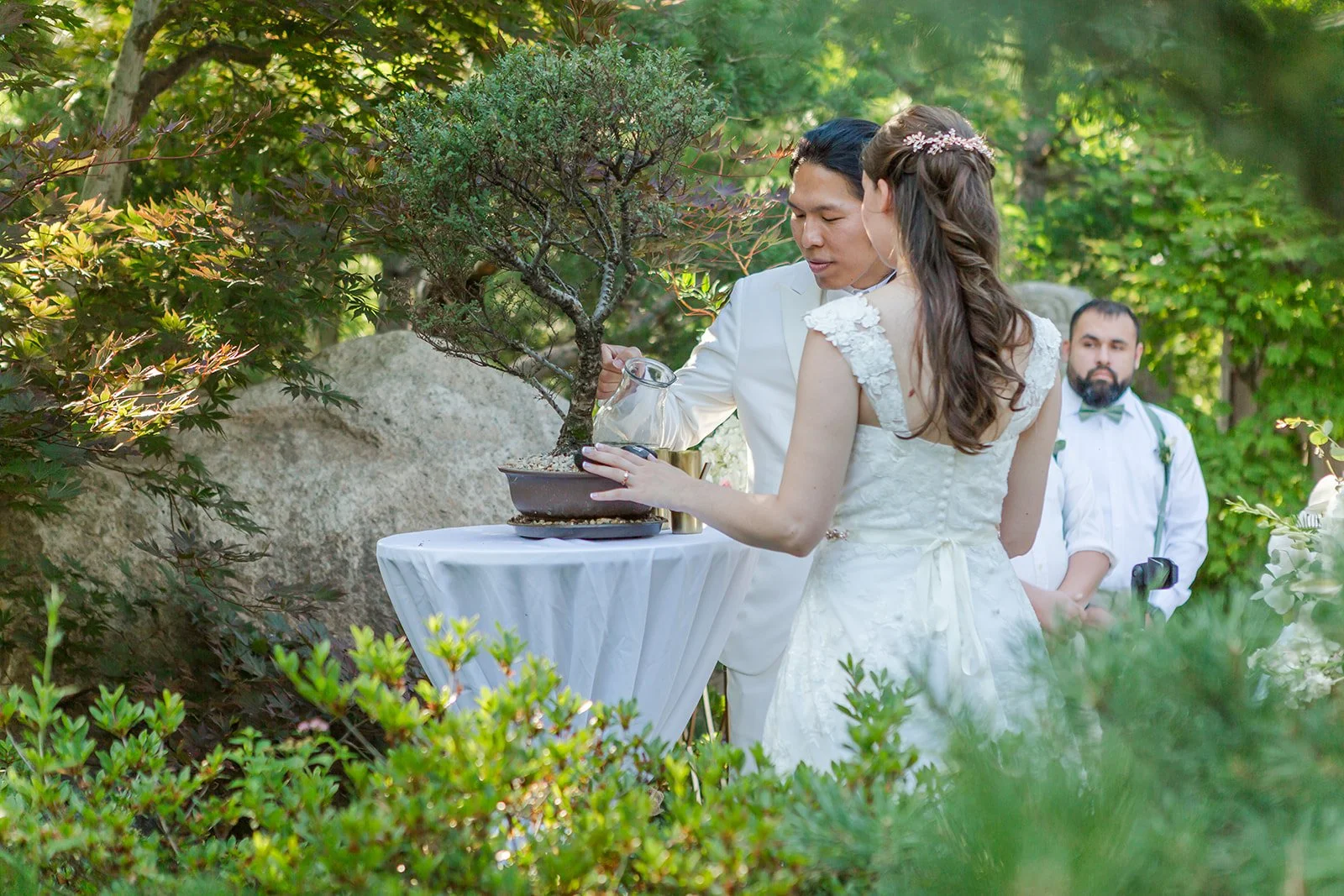
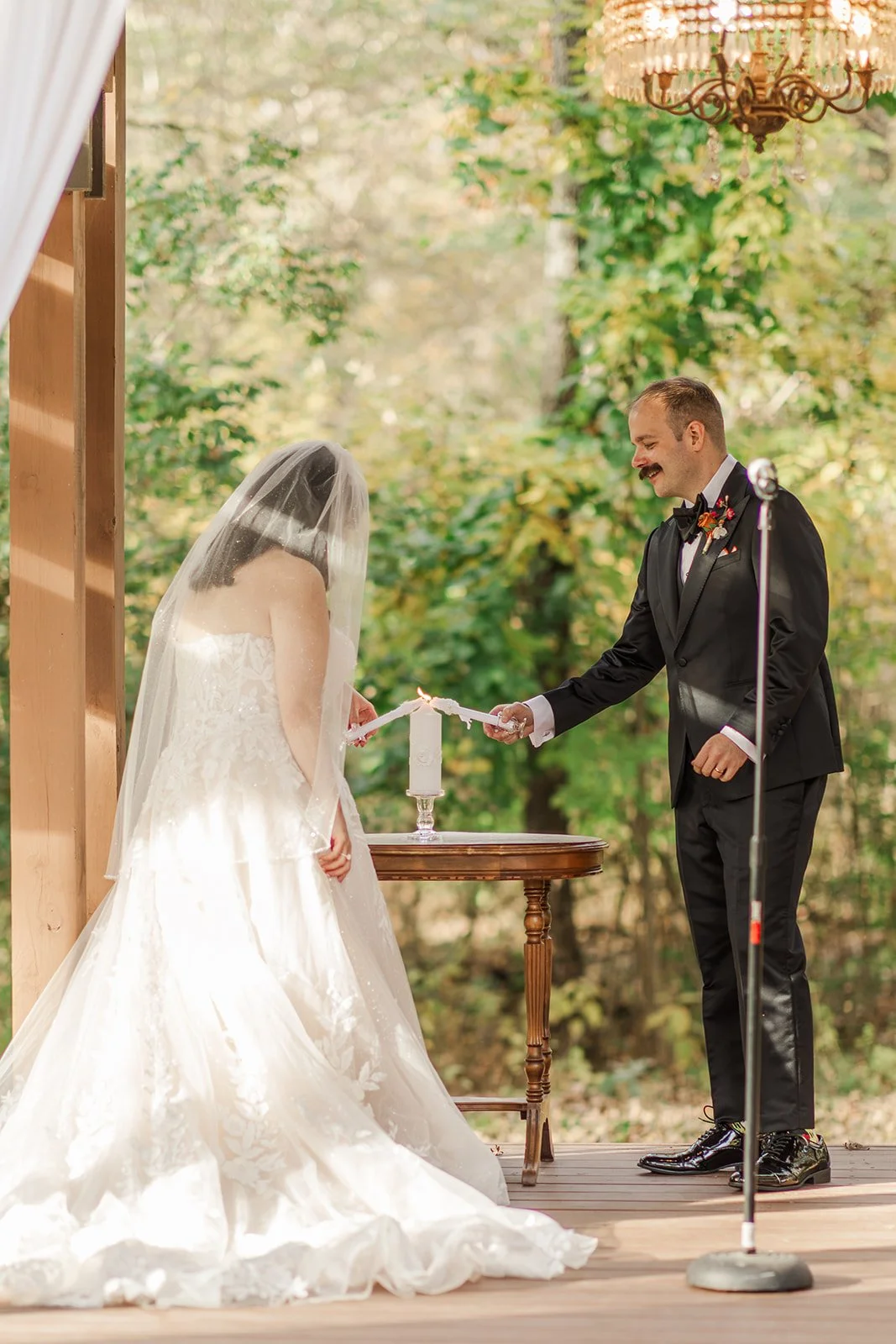
I have seen so many couples do so many amazing things during their ceremony. Some couples share in communion while some light a unity candle. I’ve seen sand ceremonies, rope ceremonies and wine ceremonies. The options are limitless!
As you plan your ceremony, make sure you design it to be exactly what the two of you envision it to be. If you have the freedom to be creative, then by all means, be creative!
Programs & Details
Remember that not every guest needs a program! Also, before ordering your programs, have several people check them for spelling and grammatical errors.
Programs and the ceremony décor are things that the bride can plan in advance, then delegate the actual job of setting up to a friend or coordinator. The last thing a bride needs to be doing the morning of her wedding is running around setting up floral arrangements!

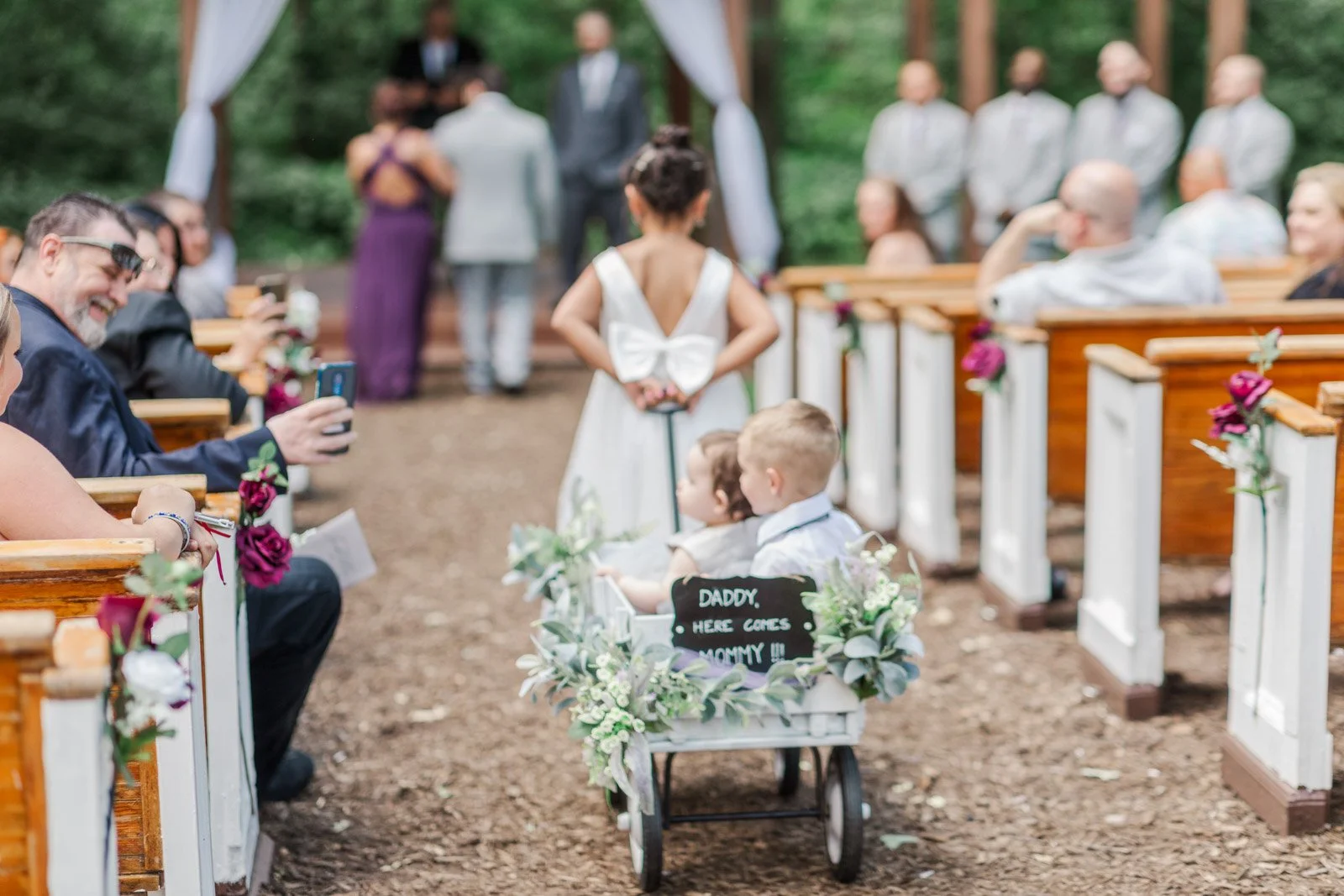
Coordination
Hiring either a full event planner or just a day-of coordinator is so important! Brides realize very quickly that if they do not have someone in charge of the coordination of the day, that responsibility will automatically fall on the mother of the bride or the bride herself.
When a photographer is in charge of the timeline and the coordination of the day, the images will suffer. All of my stressful wedding situations were caused by a lack of organization and coordination. It’s so important to make this a priority.
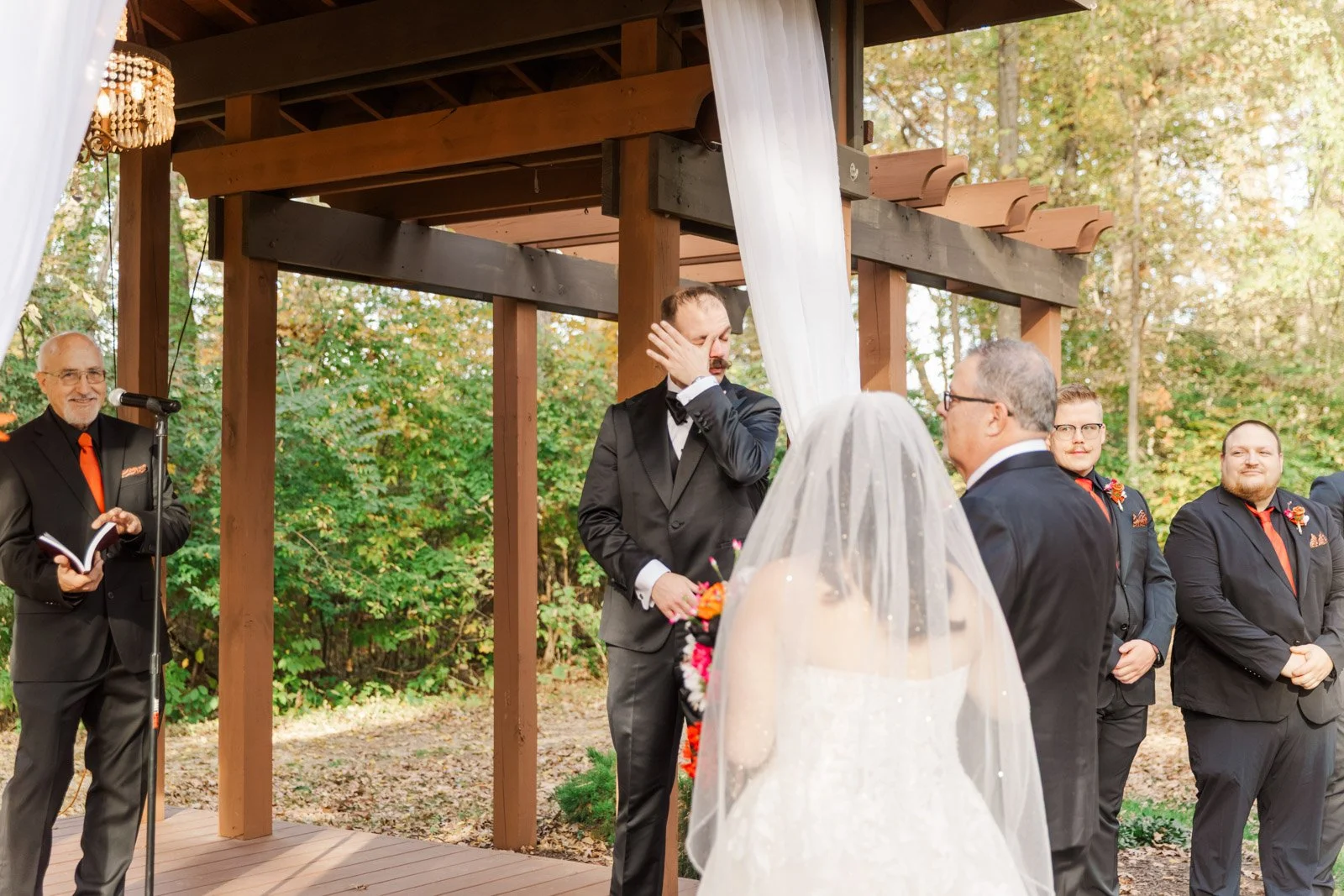
Out of Sight Time
Build a short break from photos into your timeline right before the ceremony. About 30 minutes is a good goal, and some churches and venues ask that photographers be finished well before the ceremony starts, so check what yours expects.
- It’s your breather. Use the bathroom, touch up your makeup, drink some water, grab anything you need, and take a moment to get ready for what’s ahead.
- It’s my detail time. If I didn’t have time to photograph the ceremony details before capturing you getting ready, I use this time to photograph the programs, florals, décor, and ceremony space. I also capture guests as they arrive and reset my camera settings for the ceremony.
- It gives me a chance to check in. If there’s an officiant or coordinator on site, I can go over any last guidelines with them.
Venue Guidelines
Many churches and venues have their own rules for photographers, like where I can stand, whether I can move around during the ceremony, and what’s allowed in the sanctuary. I’m happy to follow them! Please ask your officiant or coordinator for a copy and send it my way so I can plan ahead.
If there’s a photo you’ve seen and hope to recreate, tell me early. Depending on the rules, it may or may not be possible during the ceremony, and I’d rather talk it through with you beforehand than have you disappointed afterwards.
Ceremony length
Ask your officiant how long the ceremony will run, and leave room in your timeline for it. Ceremonies with communion, readings or extra traditions take longer than a short, simple one.
The First Kiss & Recessional
When you’re introduced as husband and wife, go for it! Soak up the cheers and applause, because this is one of the best moments of the day. A few of my favorite ways to do it:
- Stand close. The closer you are, the better the kiss looks.
- Hold it for a few seconds. Longer than feels natural is usually just right for photos.
- Throw your hands in the air, if that feels like you.
- Pause and look out at your guests. Those smiling faces make wonderful photos too.
- Kiss again on the way out. A second kiss or a dip during the recessional is a fun way to catch the joy, and your guests are facing you as you walk past.
- Give yourselves the aisle. Ask your attendants to wait until you’ve finished your recessional before they begin theirs.
Receiving Lines
Don’t stress if you don’t want a receiving line or don’t have time for one. Your guests will find a moment to say hello or goodbye at some point during the day.
The big benefit is that you get to briefly greet everyone who came. The catch is that they usually take longer than couples expect, especially when you run into someone you haven’t seen in a long time. If you want one, here’s what I recommend:
- Do family formals before the ceremony. It’s hard to gather everyone again afterwards, and some churches need the space cleared quickly after the service.
- Dismiss guests from their pews. Greeting people row by row, instead of in one long line at the back or on the steps, keeps conversations short and things moving.
- Ask someone to help. A friend or family member can keep the line flowing.